
THE CRAVAT GUIDE
FASHIONLIFESTYLE
Raymond K. Ndokwo
12/6/20253 min read
THE CRAVAT GUIDE
The cravat occupies a singular place in the history of male dress. It is one of the few accessories that manages to feel both scholarly and leisurely, a small but eloquent gesture toward cultivated living. In an era increasingly characterised by the convenience of casual wear, the cravat stands as a quiet reminder that elegance is not a burden but a pleasure. To wear one is not to posture or perform. It is simply to acknowledge that dressing well can enrich the rhythm of daily life.
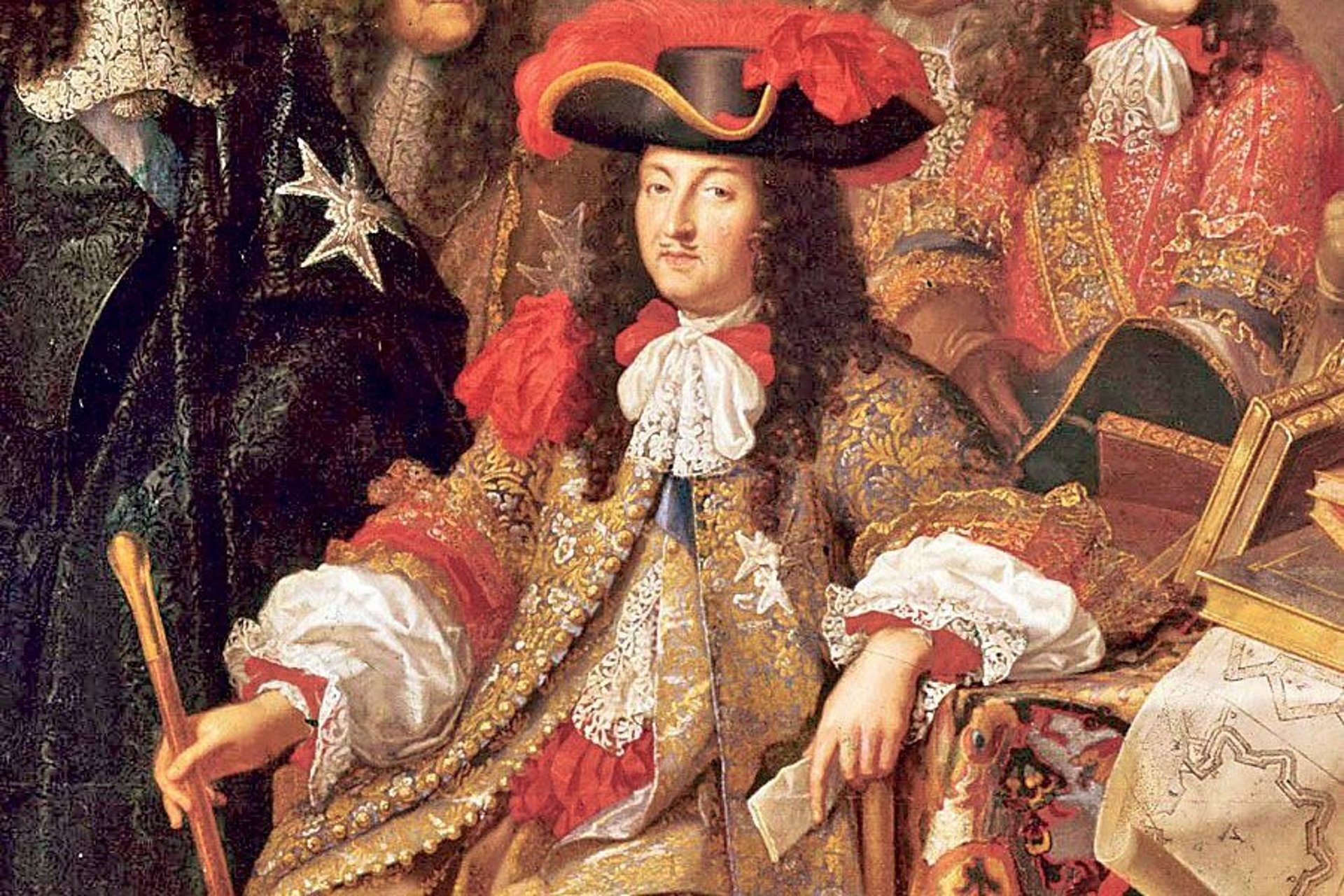
The origins of the cravat lie in seventeenth-century Europe, where Croatian soldiers fastened simple cloths around their necks. When these soldiers arrived in Paris, their neckwear immediately captured the curiosity of the French court, which soon adopted and refined the style. In the centuries that followed, the cravat became a symbol of intellectual and social refinement, often associated with men for whom appearance was an extension of their thought. It was embraced by statesmen, writers, and men of letters across Europe. Even now, its history continues to lend it an air of cultivated nonchalance.
At its core, the cravat is straightforward. It is typically crafted from silk, chosen for its natural drape and comfort. Silk allows the fabric to settle elegantly against the collarbone. A cravat is worn within an open collared shirt rather than over it, and its knot should appear relaxed rather than engineered. Patterns play a significant role in its expression. Paisleys, gentle geometrics, and discreet dotted designs are long standing favourites, striking a balance between character and restraint. Colour, too, matters. Deep reds, blues, and greens complement most complexions, while lighter hues bring brightness and charm.
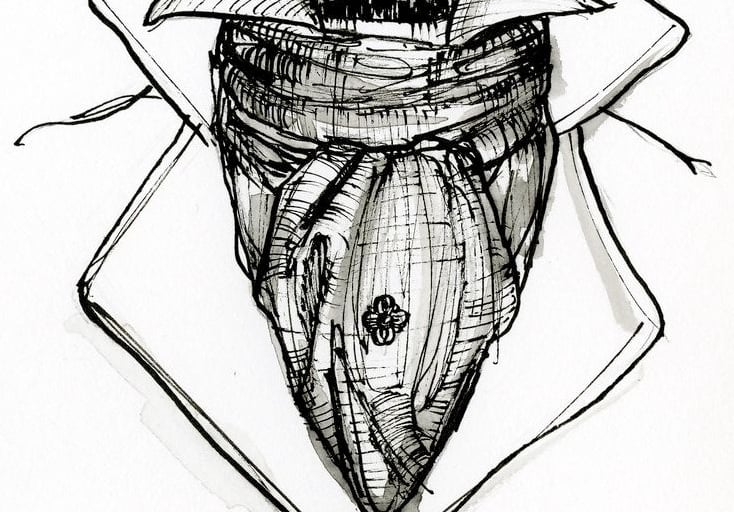
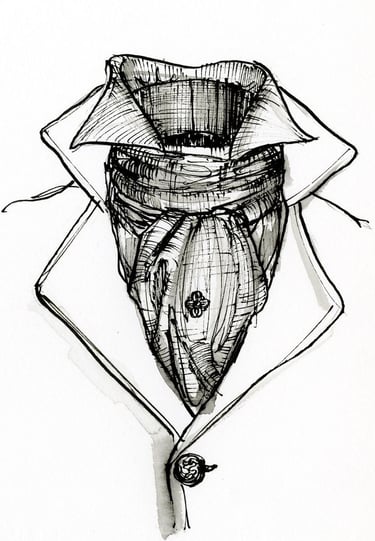
Learning to wear a cravat is remarkably simple. One lays it around the neck, crosses the ends, ties a loose knot, and tucks the silk into the shirt with a natural ease. The top button or two is left undone so the cravat may sit comfortably. The effect should be effortless, as if the wearer has an instinctive understanding of dress rather than a technical one. Because it has a relaxed formality, the cravat is ideal for settings that sit between the purely casual and the overtly formal. It suits country weekends, gallery visits, refined lunches, or any moment where a gentleman wishes to look presentable without appearing stiff.
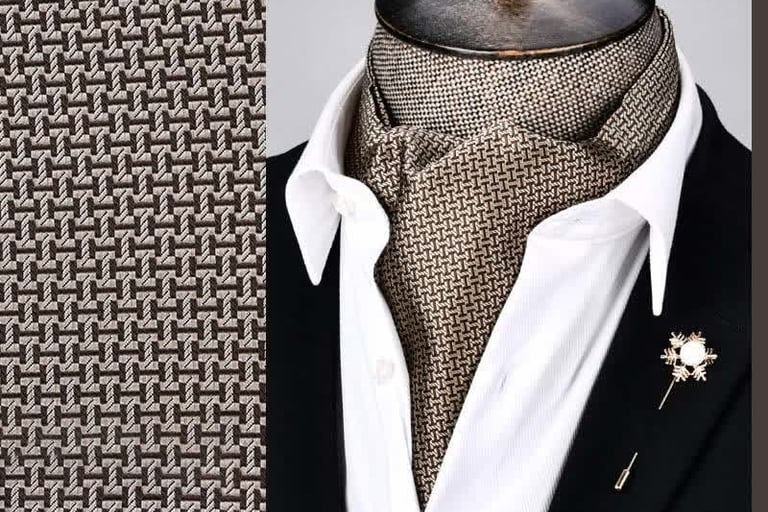
Different silk textures introduce subtleties. Printed silks are light, airy, and often well suited to spring and summer attire. Woven silks, with their depth and richness, provide warmth and harmony with autumnal fabrics such as tweed and flannel. Some cravats possess a matte finish for discretion, while others carry a gentle sheen that catches the light in an appealing way. Whatever the choice, the cravat should complement rather than dominate the ensemble. The best examples enhance the individual’s appearance without drawing attention away from the whole.
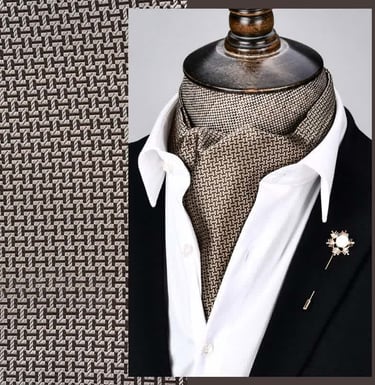
What makes the cravat particularly valuable in contemporary wardrobes is its ability to elevate the everyday. In a world that increasingly favours open necked shirts, the cravat allows a gentleman to introduce refinement without abandoning ease. It suggests composure, care, and a considered approach to self presentation. It is expressive yet never loud, traditional yet not antiquated. In short, it is one of the rare accessories that feels entirely at home in both the drawing room and the modern café.
Above all, the cravat serves as a reminder that the act of dressing can itself be a cultivated habit. It invites the wearer to take a moment of deliberation in the morning, to choose something that adds grace to the day. Its role is neither to impress nor to intimidate but to enrich. For the gentleman who values subtle elegance and the quiet pleasure of well chosen clothing, the cravat remains a timeless companion. It reflects a way of life governed not by excess but by intention, by appreciation, and by the continual pursuit of refinement.
Cravat as worn in the 19th century
Silver & black geometric-patterned silk scarf
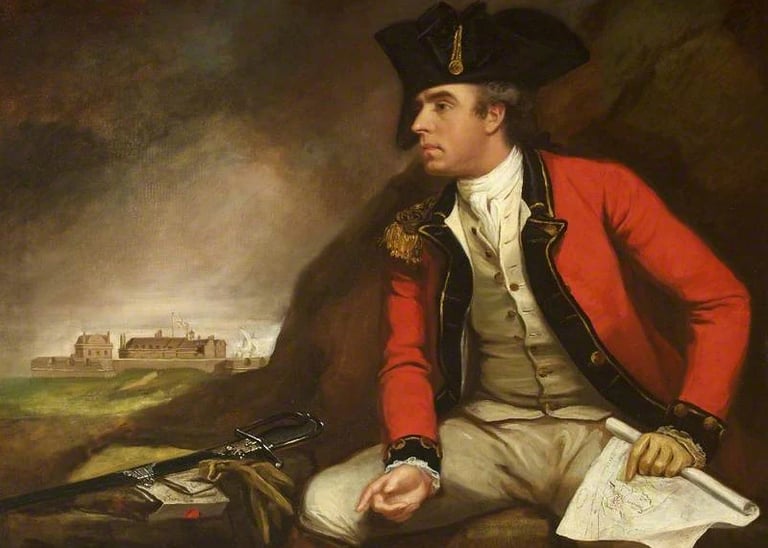
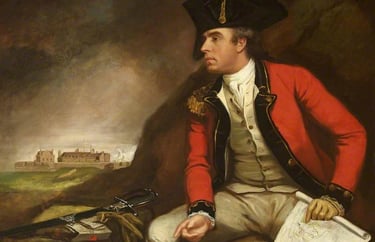
Captain Sir Thomas Hyde Page (1746-1821) portrayed in a white cravat
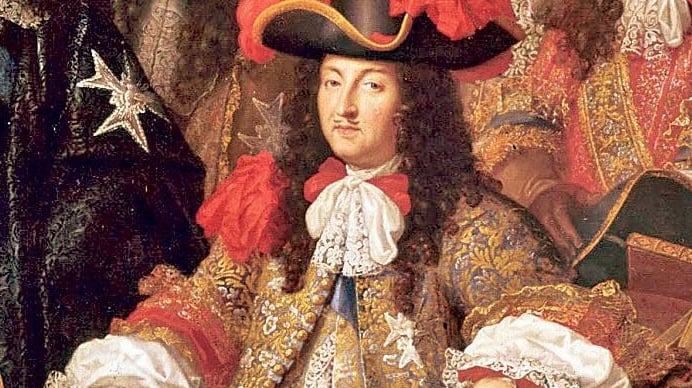
"Portrait of Louis XIV", by Henri Testelin c.1667
Ray Boule
CELEBRATING THE ESSENCE OF THE DEBONAIR
© 2025. All rights reserved.
By signing up to our newsletter you agree to our Terms and Conditions